Views: 0 Author: Site Editor Publish Time: 2026-09-04 Origin: Site
Picture this. A critical conveyor belt grinds to a sudden halt during peak production hours. The culprit is often a single sheared gear tooth inside a substandard gearbox. Finding a trustworthy manufacturing partner in today’s saturated global market feels like navigating a minefield. In this comprehensive guide, we unpack the exact criteria, critical questions, and hidden red flags you need to identify before signing your next procurement contract.
Product Expertise Matters: A reliable manufacturing partner must offer a comprehensive portfolio, demonstrating clear engineering competence across various complex product lines.
Quality Over Price: Prioritize facilities with stringent quality control, advanced 5-axis CNC machining capabilities, and recognized global certifications like ISO 9001.
Customization is Crucial: The most dependable suppliers provide robust research and development support to tailor power transmission solutions to your exact spatial and operational specifications.
After-Sales Support: True reliability is proven long after the transaction through responsive technical support, transparent warranty terms, and consistent spare parts availability.
Before diving into supplier evaluation, it is crucial to understand where the industry is heading. Recent market analyses reveal a massive shift toward energy efficiency and smart integration. Modern industrial facilities rapidly adopt predictive maintenance protocols. This shift demands gearboxes designed to integrate seamlessly with Industrial Internet of Things sensors. Forward-thinking manufacturers no longer just cut metal. They design housings with pre-machined sensor ports and optimize gear geometries to reduce energy consumption. Furthermore, there is a growing demand for extreme torque density in compact footprints, pushing factories to upgrade their metallurgical processes and machining tolerances to stay competitive.
In industrial settings, power transmission components act as the beating heart of the operation. When an industrial gear reducer fails prematurely due to poor manufacturing tolerances, the consequences extend far beyond the mere cost of a replacement part. Facilities immediately face unscheduled operational downtime. This translates directly into massive revenue losses, severely delayed project timelines, and idled labor forces waiting for repairs. Partnering with a vetted, high-quality manufacturer ensures the equipment is engineered for a high Mean Time Between Failures. Reliable suppliers utilize precise engineering to guarantee optimal gear meshing. This precision reduces internal friction, prevents overheating, and ultimately safeguards your Overall Equipment Effectiveness.
Industrial machinery rarely operates in pristine, climate-controlled conditions. Equipment deployed in sectors like mining, cement production, wastewater treatment, and steel milling constantly battles heavy dust, moisture, extreme temperature fluctuations, and severe shock loads. A top-tier supplier fundamentally understands these environmental variables. They utilize superior housing materials, specialized anti-corrosion coatings, and advanced sealing technologies—such as labyrinth seals or dual-lip FKM seals—to fiercely protect the internal gearing. Specifically, selecting a manufacturer that designs for brutal environments ensures the gearbox maintains its structural integrity over a prolonged lifecycle. This approach effectively drives down your Total Cost of Ownership.
A manufacturer’s product catalog serves as a direct reflection of their engineering depth. A versatile supplier should offer a wide breadth of options, encompassing helical, bevel, worm, and cycloidal gear units. This variety indicates the factory possesses a deep, practical understanding of different kinematic principles. Consequently, they can objectively recommend the most efficient drive solution for your specific application rather than forcefully pushing a limited, off-the-shelf inventory. Consolidating your supply chain becomes much easier when you can source various drive components from a single trusted vendor.
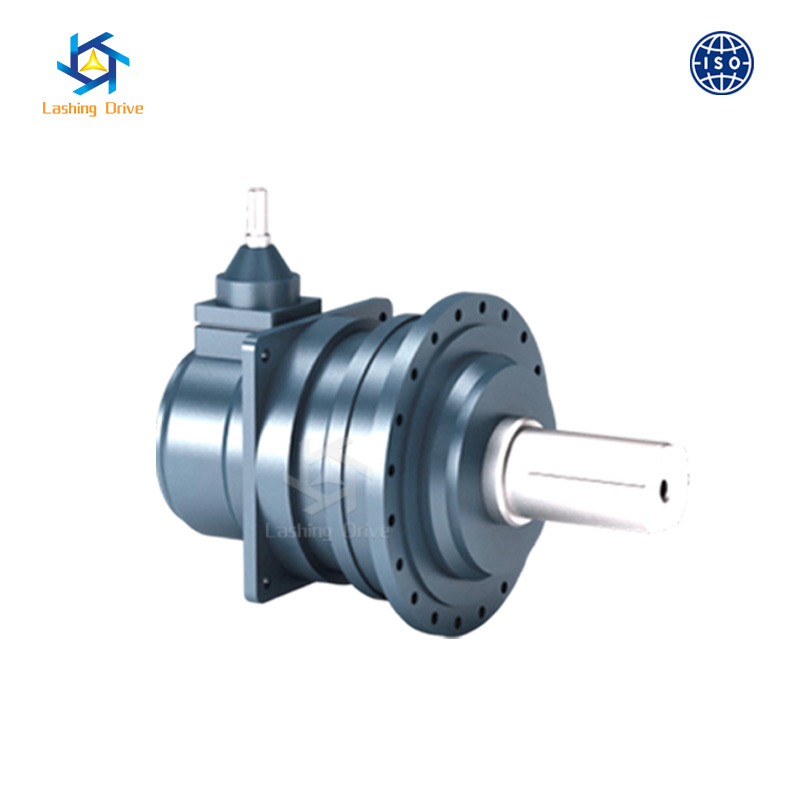
Certain modern applications demand high torque density and extreme precision within an incredibly compact footprint. This is exactly where planetary gear systems excel. However, manufacturing these units requires significantly tighter tolerances and advanced machining capabilities compared to standard inline gearboxes. When evaluating a potential supplier, look for proven, documented expertise in producing a reliable planetary gear reducer. A specialized manufacturer intimately understands the critical load-sharing dynamics among the planet gears, the importance of carrier rigidity, and the absolute necessity of precise backlash control.
Heavy-duty applications require uncompromising, robust engineering. These units must withstand immense torque outputs and sudden, violent shock loads without suffering catastrophic failure. When assessing a manufacturer, dig into their technical capabilities. Do they pour cast iron or fabricate steel for their housings? How do their engineers calculate bearing life and thermal capacity? For instance, when looking at a heavy-duty industrial gearbox like the P-Series, buyers should expect torque capacities reaching up to 2,600,000 Nm and versatile transmission ratios ranging from 25 to 4,000. Reliable manufacturers consistently utilize Finite Element Analysis during the initial design phase to identify potential stress concentrations, reinforcing the structure to handle the rigorous demands of heavy industry seamlessly.
The mechanical efficiency and acoustic performance of any speed reducer tie directly to the microscopic precision of its gear teeth. Outdated manual machining simply cannot achieve the tight tolerances required for modern power transmission. A dependable partner invests heavily in state-of-the-art 5-axis CNC machining centers, automated gear hobbing machines, and precision gear grinding equipment. These technologies ensure gear profiles strictly meet international standards like DIN 3962 class 5 or 6. In addition, automated production lines signal a commitment to consistency, drastically reducing the risk of human error.
The true strength of a gearbox begins long before assembly. It starts with the raw materials. Reputable factories source high-grade alloy steels like 20CrMnTi or 42CrMo, known for superior mechanical properties. Yet, raw material alone is insufficient. The heat treatment process is where the gear truly gains its battle-ready durability. Look for facilities boasting in-house heat treatment capabilities. Processes like carburizing and quenching are essential to achieve a hardened outer gear surface—typically reaching HRC 58 to 62—for extreme wear resistance. This process simultaneously maintains a tough, ductile core to absorb unpredictable shock loads. In contrast, outsourcing this critical step often leads to severe batch inconsistencies.
Certifications function as objective proof that a manufacturer adheres to internationally recognized quality management systems. At a bare minimum, a reliable supplier must hold an active ISO 9001 certification. This standard dictates strict protocols for process control, documentation, and continuous operational improvement. For global buyers, securing additional certifications such as CE for the European market or specific industry standards like API for oil and gas is vital. These credentials demonstrate that independent third parties routinely audit the factory.
Quality cannot simply be inspected into a product at the end of the line. It must be built in and meticulously verified. A trustworthy manufacturer maintains a dedicated testing laboratory equipped to perform rigorous assessments before any crate is sealed for shipping.
Testing Procedure | Purpose | Equipment Used |
|---|---|---|
Dimensional Inspection | Verifies gear tooth profiles, pitch, and tolerances against CAD designs. | Coordinate Measuring Machines, Gear Testers |
Noise and Vibration Analysis | Detects abnormal noise and vibration, indicating poor gear meshing or bearing issues. | Vibration Analyzers, Decibel Meters |
Load Testing | Simulates real-world operational stress to verify torque capacity and thermal stability. | Dynamometers, Test Rigs |
Leak Detection | Ensures all seals and gaskets are properly installed to prevent lubricant loss. | Air Pressure Testers, UV Dye |
If a supplier hesitates or fails to provide detailed testing reports for their production batches, treat it as a massive risk factor.
When sourcing power transmission components for specialized machinery, standard off-the-shelf solutions rarely suffice. Industrial applications frequently present unique spatial constraints, highly specific load requirements, and distinct environmental challenges. Therefore, evaluating a supplier's capacity for collaborative engineering and deep customization becomes a fundamental step in the procurement process.
A highly competent manufacturer understands standard configurations might clash with your existing system architecture. Whether you integrate components into automated robotics, material handling conveyors, or heavy mining equipment, functional adaptability is non-negotiable. Customization typically involves modifying several critical parameters. Engineers may need to adjust gear ratios to achieve precise output speeds or redesign mounting positions to squeeze into a compact machine footprint. Buyers should rightfully expect the manufacturer to provide comprehensive dimensional modifications, customized output shafts like keyed, splined, or hollow variations, and specialized lubrication options designed to handle extreme temperature fluctuations.
The sharp distinction between a basic parts supplier and a strategic manufacturing partner lies in their engineering infrastructure. Buyers should actively seek partners equipped with dedicated engineering teams capable of translating complex CAD drawings, conducting finite element analysis, and executing technical optimizations. A robust engineering team will not simply manufacture a part blindly based on a submitted drawing. Instead, they critically analyze the design for potential failure points, suggest metallurgical improvements, and optimize the gear geometry to reduce noise. This collaborative approach drastically minimizes prototype iterations, reduces overall development costs, and accelerates the time-to-market for your proprietary equipment.
Even the most precisely engineered drive unit is essentially useless if it does not arrive at your facility on time. In the fast-paced industrial sector, delayed shipments translate directly to extended operational downtime and severe financial losses. Analyzing a supplier’s production capacity alongside their logistical expertise is crucial.
Evaluating a manufacturer’s actual production capacity involves understanding their internal workflows, machine availability, and inventory management strategies. A reliable supplier deliberately maintains a strategic safety stock of raw materials—such as high-grade alloy steel and specialized bearings—to buffer against volatile global supply chain disruptions. When discussing lead times, establish clear expectations regarding prototyping, pilot runs, and full-scale bulk production. Request detailed production schedules and inquire about the factory's contingency plans for unexpected equipment failures. The goal is to identify a partner capable of consistently meeting tight delivery deadlines without circumventing essential quality control protocols.
Sourcing industrial components internationally requires a supplier thoroughly versed in global logistics and export compliance. The physical journey of a heavy metal component across oceans involves brutal exposure to high humidity, violent temperature fluctuations, and mechanical shocks. A seasoned global manufacturer utilizes stringent export packaging standards. This includes applying premium anti-rust preventative oils, sealing products securely in Volatile Corrosion Inhibitor bags, and bolting the units into fumigated wooden crates compliant with ISPM 15 standards to prevent transit damage. Furthermore, they should demonstrate absolute proficiency in handling international commercial terms, managing customs documentation efficiently, and coordinating with reliable freight forwarders.
The true reliability of a manufacturing partner often reveals itself only after you pay the final invoice. Industrial power transmission units endure relentless mechanical stress, meaning even the highest-quality components eventually require maintenance. Comprehensive after-sales support acts as a vital indicator of a manufacturer's confidence in their own engineering.
A standard warranty serves as a baseline guarantee of material and manufacturing integrity. When reviewing these terms, buyers should look for clear, unambiguous language detailing the coverage period. This typically ranges from 12 to 18 months from the date of installation, or 24 months from shipment. It is essential to understand exactly what the warranty covers. Does it include full replacement of a defective unit, or merely the provision of raw replacement parts? A transparent manufacturer clearly outlines proper installation procedures, required lubrication schedules, and operational limits. This guidance ensures the end-user can maximize the lifespan of the equipment without accidentally voiding the agreement.
When a mechanical failure suddenly occurs on the production floor, immediate technical assistance is required to diagnose the root cause and implement a rapid solution. A reputable manufacturer must offer fast, responsive technical support, ideally providing direct access to engineers via video conference or detailed email correspondence. Additionally, the availability of spare parts is critical. Components that experience natural wear—such as oil seals, input shafts, and bearings—should be readily available in the manufacturer’s inventory. A supplier that guarantees the long-term availability of spare parts for a complex P-Series planetary gear reducer, even for discontinued models, demonstrates a profound commitment to the operational success of their clients.
Navigating the global marketplace requires a highly discerning eye. While countless suppliers present themselves as industry leaders on their websites, certain warning signs can help buyers differentiate between genuine factories and unreliable middlemen.
One of the most significant risks in international procurement is inadvertently partnering with a trading company posing as a direct manufacturer. Trading companies often add unnecessary financial markups and completely lack direct control over the quality assurance process. A genuine manufacturer welcomes transparency. If a supplier refuses to accommodate a third-party factory audit, hesitates to provide detailed ISO certification documents, or declines a live video tour of their CNC machining and assembly floors, exercise extreme caution. Verifying the physical existence of their manufacturing equipment and testing laboratories is a mandatory step in risk mitigation.
While cost reduction remains a standard procurement objective, prices that fall drastically below the market average should trigger immediate skepticism. Manufacturing a reliable, heavy-duty gearbox requires substantial, unavoidable investments in high-grade metallurgy, precision machining, and rigorous heat treatment processes. Suppliers offering unusually low prices frequently cut corners to maintain their profit margins. This often manifests as the use of inferior scrap metals, skipping essential carburizing processes, or the complete absence of load testing. The initial capital saved by purchasing cheap gears is rapidly consumed by the astronomical costs associated with premature mechanical failures and unscheduled production downtime.
Evaluation Metric | Genuine Quality Manufacturer | High-Risk Supplier |
|---|---|---|
Facility Access | Welcomes physical and live video audits | Refuses, delays, or makes excuses regarding audit requests |
Certifications | Provides verifiable, up-to-date ISO certificates | Relies on vague quality claims; no verifiable documents provided |
Pricing Structure | Competitive, logically aligned with raw material costs | Suspiciously below market average |
Technical Knowledge | Provides direct access to mechanical engineers | Responses are strictly limited to basic sales scripts |
Choosing a reliable manufacturing partner requires careful, deliberate research. You must look far beyond the initial price tag to truly evaluate their technology, product range, and internal quality control protocols. Exceptional customer service and engineering collaboration are critical factors separating standard vendors from strategic partners. The right manufacturer actively protects your operational efficiency, ensuring your production line runs smoothly year after year. Do not leave your machinery to chance. If you are looking to upgrade your drive systems or require custom-engineered power transmission solutions, explore the comprehensive range of products at CNLashing to find the perfect fit tailored specifically to your heavy-duty business needs.
The most critical factor is finding a verifiable combination of strict quality control and proven engineering expertise. Buyers should prioritize suppliers who hold recognized global certifications like ISO 9001, conduct rigorous in-house testing including noise, vibration, and load analysis, and possess a deep, practical understanding of the specific mechanical requirements of your industry.
Planetary configurations uniquely distribute the mechanical load across multiple planet gears. This intelligent design results in a significantly higher torque density and superior operational efficiency. Additionally, their coaxial layout provides a much more compact footprint compared to standard helical or worm gears. This makes them the optimal choice for high-precision robotics, automation, and heavy-duty applications where spatial constraints are tight.
Risk mitigation requires a structured, multi-step verification process. Begin by requesting a physical sample for your own internal evaluation. Ask the supplier to provide detailed, batch-specific testing reports covering material hardness, oil leak detection, and maximum load capacity. Furthermore, independently verify their quality management certifications and conduct either a virtual or physical factory audit to inspect their machining and assembly protocols firsthand.