Views: 0 Author: Site Editor Publish Time: 2026-10-02 Origin: Site
Power transmission system design often forces engineers into a tight corner. You need massive torque, but the installation space is severely limited. Planetary gear reducers provide the definitive answer to this mechanical challenge. By distributing the load across multiple planet gears revolving around a central sun gear, these compact mechanisms deliver exceptional torque density. This unique load-sharing ability makes them the backbone of modern industrial machinery.
Heavy manufacturing relies on robust power delivery. Cranes, mining conveyors, and large agitators require continuous operation under extreme stress. In these demanding environments, an industrial planetary gear reducer ensures stable speed reduction and torque multiplication. The concentric shaft design allows for straightforward integration into existing machinery layouts. Furthermore, the high contact ratio of the gear teeth guarantees smooth operation even when subjected to heavy shock loads during startup phases.
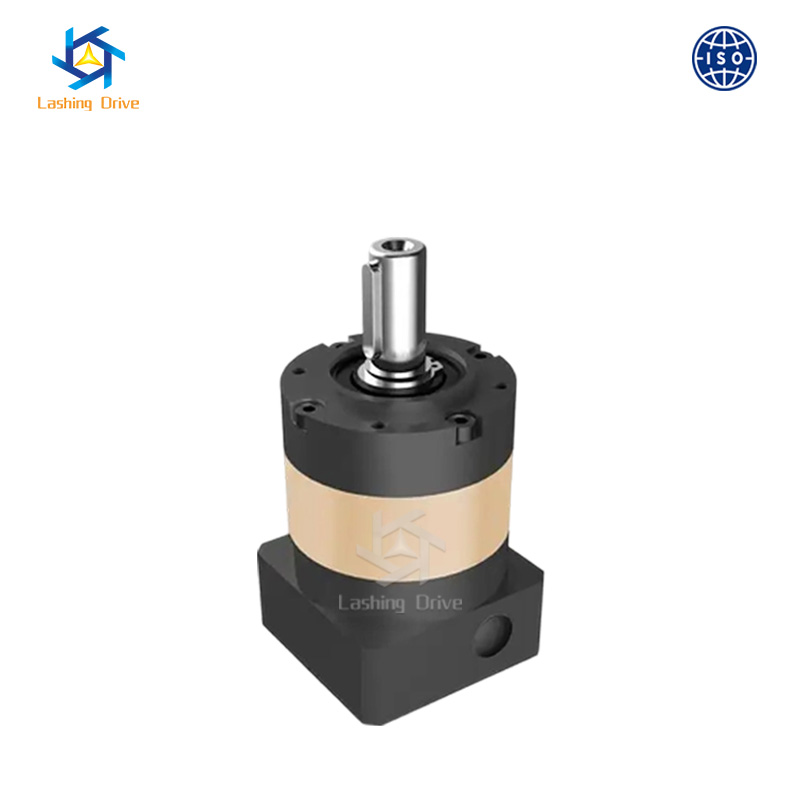
Automated assembly lines and robotic arms demand absolute exactness. Positioning errors disrupt the entire production cycle and lead to costly material waste. This is where high-accuracy transmission becomes critical. A precision planetary gear reducer minimizes backlash, often keeping it strictly below 3 arc-minutes. Engineers specify these units for servo motor applications to guarantee smooth, repeatable motion profiles. Specifically, packaging machines and CNC routers utilize these precise components to maintain exact synchronization across multiple axes.
Earthmoving machines operate in the harshest conditions imaginable. They typically rely on fluid power systems for massive force generation. Integrating mechanical reduction with fluid power yields tremendous pulling and lifting capabilities. A hydraulic planetary reducer connects directly to hydraulic motors. This setup drives track loaders, excavators, and heavy-duty winches with remarkable efficiency. These specific units are engineered with heavy-duty bearings and reinforced housings to withstand severe radial loads and harsh weather exposure.
The global manufacturing landscape is shifting rapidly toward compact automation and smart factories. Recent market data indicates a surging demand for high torque density solutions. Facilities are upgrading legacy equipment to meet strict energy efficiency standards. Consequently, traditional bulky gearboxes are being rapidly replaced. The trend heavily favors planetary designs because they offer superior power transmission within a minimal footprint. In addition, the rise of automated guided vehicles in logistics requires ultra-compact, highly efficient drives. This specific demand is pushing manufacturers to refine gear geometries and utilize advanced heat treatment processes for extended lifespan.
To understand the true mechanical value, we must look at the engineering data. The following table highlights why engineers prefer planetary systems for critical applications compared to traditional spur or worm gears.
Feature | Planetary Gearbox | Spur Gearbox | Worm Gearbox |
|---|---|---|---|
Torque Density | Extremely High | Moderate | Low to Moderate |
Efficiency | Up to 97 percent per stage | Up to 95 percent per stage | 50 to 85 percent |
Backlash Control | Excellent, down to 1 arc-minute | Average | Poor over time due to wear |
Space Requirement | Very Compact | Bulky | Moderate |
Selecting the right unit goes beyond just matching shaft sizes. It requires a deep dive into dynamic loads and operational environments. Use these specific engineering criteria to secure the correct component.
Determine Application Torque
Calculate both continuous running torque and peak starting torque. The gearbox must handle sudden spikes without tooth fracture. Always factor in a service margin based on your motor's maximum output.
Calculate the Exact Ratio
Divide the input motor speed by the required output speed. Ensure the selected ratio aligns with the motor's optimal efficiency curve. For extremely low speeds, multi-stage configurations are necessary.
Evaluate Radial and Axial Loads
Output shafts bear the weight of pulleys, sprockets, or direct wheel mounts. Verify that the internal tapered roller bearings can support these external forces without premature wear.
Yes, they are generally reversible and can be back-driven. However, high-ratio multi-stage units might experience significant internal friction. Always verify the back-driving torque limits for your specific application to prevent motor damage or uncontrolled load drops.
The most common culprits are inadequate lubrication and severe mechanical overload. Shock loads beyond the rated peak torque can fracture the sun gear or shear the planet pins. Regular maintenance, proper oil viscosity selection, and accurate initial sizing prevent premature structural failures.
Selecting the right transmission component dictates the success and longevity of your mechanical system. Whether you are building heavy-duty winches for marine applications or precise robotic arms for electronics assembly, reliable performance is mandatory. Inferior gears lead to costly downtime and maintenance nightmares. Explore our extensive catalog to find the exact match for your engineering needs. Visit CNLashing today to review our full range of power transmission solutions and secure the ideal fit for your application.