


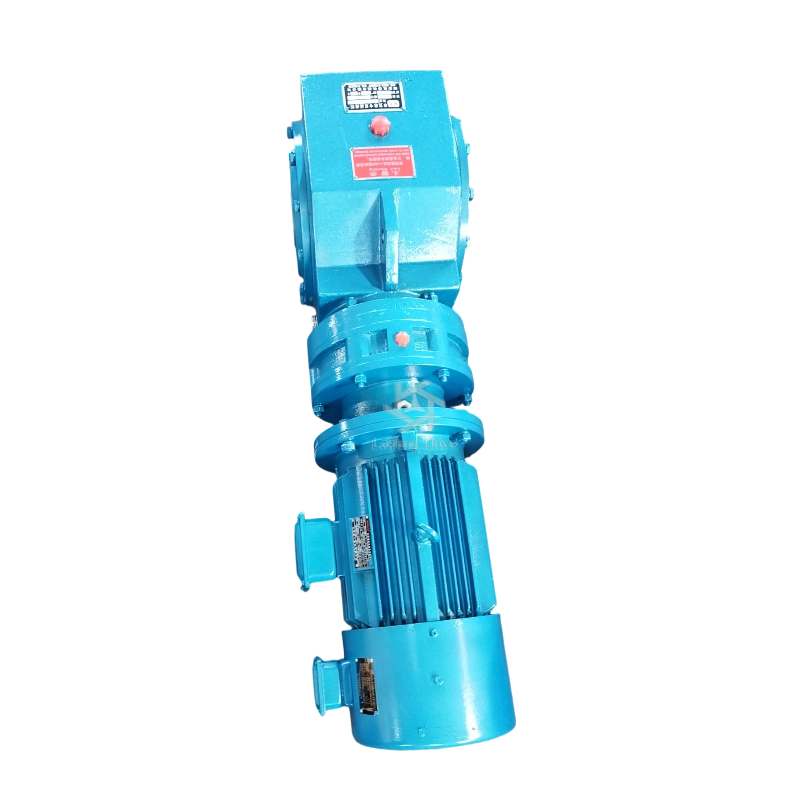
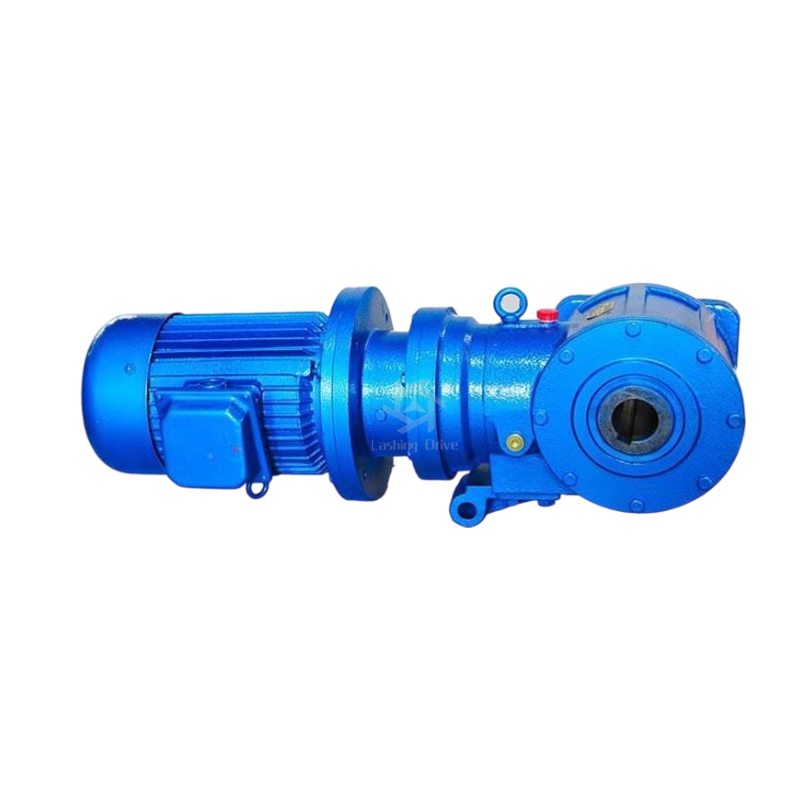
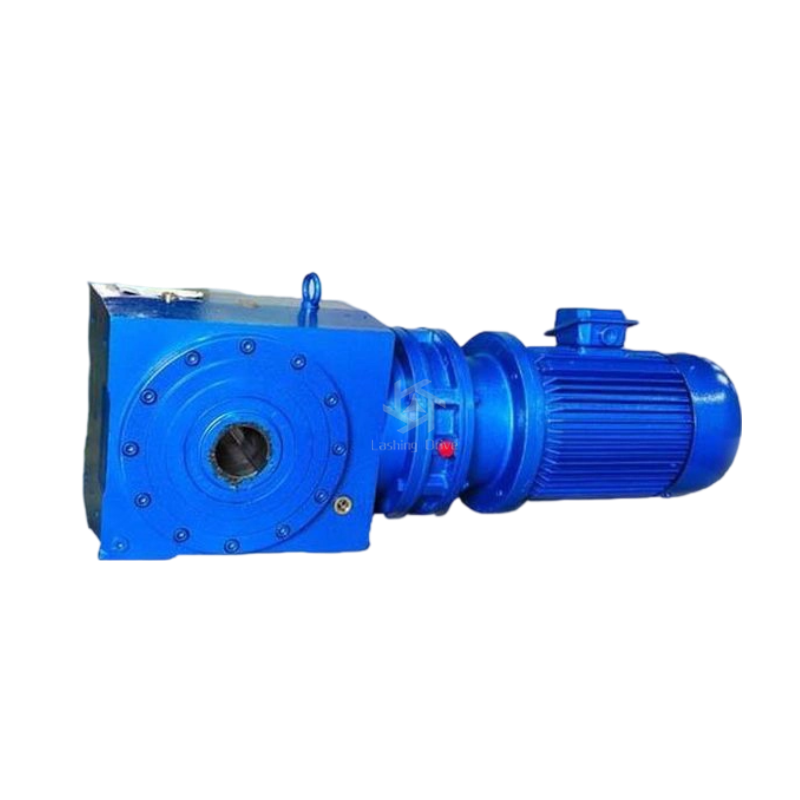
The industrial Schenck weighing reducer represents a highly engineered mechanical drive solution, meticulously crafted to deliver unyielding performance in the most demanding production environments. When operators interact with its heavy-duty cast iron housing, they immediately notice the dense, powder-coated finish designed to resist harsh chemical exposures and abrasive airborne particulates common in heavy industrial sectors. The internal gearing meshes with a satisfying, low-decibel acoustic profile, which serves as a clear auditory indicator of precisely machined tolerances that drastically reduce internal friction and heat generation. This mechanical harmony ensures that sensitive weighing systems maintain absolute accuracy, free from the disruptive kinetic tremors that typically plague standard drive units.
Beyond its formidable exterior, the internal architecture is specifically optimized for continuous, high-stress operation. The metallic scent of premium lubricating oils is kept securely contained within the unit, thanks to advanced joint surface sealing techniques that prevent the all-too-common issue of industrial leakage. By integrating this drive equipment into operational infrastructure, facilities are fortifying their entire production line against unexpected mechanical failures. The smooth, cool touch of the exterior housing, even after hours of relentless operation, speaks volumes about its superior thermal dissipation capabilities, ensuring machinery runs cooler, longer, and with uncompromising reliability.
Input power | 0.37kw~7.5kw |
Output torque | Customized based on specific load requirements |
Transmission ratio | Multi-stage configurations available |
Price | Transparent pricing direct from manufacturer |
 |  |  |  |
 |  |  |  |
Engineered to surpass standard operational expectations, this specialized drive unit incorporates a multitude of advanced mechanical features designed to enhance longevity and streamline maintenance protocols across various facilities. These units are widely utilized in heavy industrial sectors such as mining, metallurgy, port operations, and wind power generation, perfectly adapting to various precision weighing and feeding systems.
The unyielding structural integrity of the housing is cast to endure extreme compressive forces, ensuring the internal gear mechanisms remain perfectly aligned even under continuous heavy loads typical in bulk material handling.
Utilizing advanced sealing architecture at all joint surfaces, the unit effectively traps lubricants inside, eliminating messy and costly oil spills on the facility floor and maintaining environmental compliance.
The precise meshing of internal components translates to a whisper-quiet operation, drastically reducing the kinetic tremors that can throw sensitive weighing scales out of calibration during critical measuring phases.
Engineered with superior heat dissipation pathways, the exterior maintains a safe, manageable temperature, preventing the thermal degradation of internal lubricants and bearings during continuous port loading operations.
Achieving the exact balance between power and precision is critical for high-capacity weighing systems. This Schenck Weighing Reducer is meticulously engineered to adapt to a wide array of demanding industrial environments through its compact modular body design. This structural approach allows the unit to be integrated into existing production lines where spatial constraints are a significant concern, substantially lowering the financial burden associated with extensive facility modifications and installation procedures.
With an input power spanning from 0.37kw to 7.5kw, the unit provides the exact kinetic force required for varying scale capacities, ensuring optimal energy utilization without overpowering delicate sensors.
Recognizing that no two operational facilities are identical, the output torque is fully tailored to match specific load requirements and environmental conditions present in specialized manufacturing plants.
Available with multi-stage configurations, the transmission ratio can be precisely calibrated to deliver the exact rotational speed the production line demands for optimal material flow.
The unit is engineered to handle significant ratios between actual working torque and rated torque, guaranteeing stable transmission even during unexpected load spikes in metallurgical processing operations.
Proactive maintenance serves as the cornerstone of operational efficiency in large-scale manufacturing. This equipment is structured to facilitate the early detection of potential mechanical anomalies before they escalate into critical facility failures, thereby preserving the micron-level accuracy required for industrial weighing.
Clear diagnostic protocols assist maintenance teams in quickly identifying wear in the housing bearing box and transmission box, preventing catastrophic shaft misalignment that could halt production.
Guidelines are provided for inspecting the shaft head and keyways, ensuring that minor abrasions are addressed before they compromise the entire drive train and affect material feeding rates.
Operators are equipped to monitor for unusual temperature spikes, such as end cover temperatures exceeding 85 degrees Celsius, which serve as an early warning for internal friction issues.
The baseline acoustic profile of the system is exceptionally smooth, meaning any low-frequency rumbling or abnormal vibration immediately signals a potential overload or gear pitting issue.
Traditional repair methods often introduce more complications than they resolve, particularly in continuous processing environments. We champion an advanced approach to equipment restoration that bypasses the need for complete disassembly and hazardous thermal treatments, ensuring the weighing mechanisms remain functional with minimal downtime.
By discarding outdated repair welding techniques, facilities completely remove the risk of high-temperature thermal stress that frequently causes metal components to bend or fracture under load.
Unlike traditional electro-brush plating, which is severely restricted by coating thickness and prone to flaking, advanced repair methodologies allow for unlimited application thickness tailored to specific wear patterns.
Large bearing fits and critical joint surfaces can be fully restored directly on the factory floor, bypassing the logistical complications of shipping heavy machinery to external repair facilities.
Traditional metal-on-metal repairs inevitably lead to cyclical re-wear. This innovative maintenance solution alters the fitting relationship, drastically reducing the friction coefficients between moving parts.
The secret to the enduring performance of these drive solutions lies in the utilization of advanced manufacturing processes and specialized material engineering. The internal components are manufactured using international numerical control machining centers and high-precision gear grinding equipment, setting a benchmark for industrial reliability.
This rigorous production methodology ensures the gear meshing achieves micron-level accuracy, providing long-lasting durability under extreme industrial conditions and continuous operation.
The high-polymer composites used in maintenance bond with the cast iron and steel substrates at a microscopic level, creating a unified structure that resists intense shearing forces.
Formulated to withstand immense industrial pressures, the material maintains its structural integrity even under the crushing weight of heavy-duty transmission loads typical in mining environments.
The incredible flexibility of these materials allows them to stretch and compress, absorbing the kinetic shock and vibration that would otherwise shatter brittle metal welds or compromise weighing accuracy.
Safeguarding personnel and capital investments requires a comprehensive approach to equipment monitoring and energy management. The optimized transmission system of this reducer significantly decreases internal mechanical losses, elevating the overall transmission efficiency and assisting enterprises in lowering long-term operational energy consumption.
The housing is structured to easily accommodate external torque sensors and tachometers, allowing for real-time data streaming of the unit's operational health and power draw.
By continuously monitoring the kinetic output, facilities can quickly identify and mitigate short-term impacts where the impact coefficient exceeds standard limits, preventing catastrophic fatigue damage.
Routine checks of the anchor bolts and surrounding foundation vibrations are simplified, ensuring the unit remains securely anchored during high-torque applications in heavy material processing.
Continuous monitoring assists in detecting excessive bearing clearance early, allowing for scheduled adjustments rather than emergency, mid-production shutdowns, thereby maintaining a steady and energy-efficient workflow.
Every minute of unplanned downtime drains profitability from industrial operations. Integrating this specialized equipment and its associated maintenance protocols directly impacts the bottom line, transforming maintenance from a sunk cost into a strategic advantage for global manufacturing facilities.
Relying on a large-scale source factory and comprehensive spot inventory management, we guarantee stable production scheduling and rapid response delivery for large-volume industrial orders globally.
By utilizing on-site, no-disassembly repair techniques for wear and leakage, facilities can restore operational status in hours rather than weeks, keeping production schedules on track.
The ability to handle complex bearing chamber and gear shaft restorations internally eradicates the exorbitant fees associated with third-party machine shops and external contractors.
The vibration-absorbing properties of the high-polymer materials prevent the cyclical re-wear of critical parts, significantly delaying the need for full equipment replacement and maximizing capital investment returns.
Selecting the appropriate manufacturing partner is just as critical as selecting the machinery itself. We bring decades of specialized engineering expertise directly to the facility floor, ensuring operations maintain continuous productivity through highly adaptable drive solutions.
Our flexible production capabilities support comprehensive customization ranging from input power and transmission ratios to specific protection grades for unique operating environments, accurately fulfilling the procurement demands for non-standard equipment.
By bypassing intermediaries, facilities gain direct access to the engineers who designed the equipment, ensuring unparalleled technical support and transparent pricing models.
Every unit that leaves the production line undergoes rigorous acoustic, thermal, and kinetic testing to guarantee it meets exacting industrial standards before integration into your weighing systems.
We provide a holistic lifecycle management strategy, including proprietary high-polymer composite repair protocols that extend the working life of the machinery far beyond standard expectations.
Our technical team collaborates closely with facility managers to ensure the power, torque, and transmission ratios are perfectly calibrated for specific weighing systems, optimizing overall plant efficiency.
Below are detailed answers to the most common technical inquiries regarding our specialized drive equipment, customization capabilities, and advanced maintenance protocols.
Standard repair welding introduces extreme temperatures that create thermal stress, often leading to component warping or micro-fractures in the cast iron housing. High-polymer composites are applied cold, eliminating thermal damage while offering a substantial elongation rate that absorbs operational vibrations, preventing future metal fatigue in the drive unit.
The internal gearing is precisely machined to accommodate high service factors typical in heavy bulk material handling. When combined with continuous operational monitoring via torque sensors, the transmission system can effectively manage significant impact coefficients without suffering immediate bearing clearance degradation or gear tooth fracture.
While the internal gear stages are precisely configured during manufacturing based on specific load requirements, the equipment features a multi-stage modular design. If production demands change, specific gear sets can be reconfigured by the technical engineering team to alter the transmission ratio accordingly, providing long-term operational flexibility.
Instead of the time-consuming process of completely disassembling the unit to replace internal gaskets, an on-site high-polymer sealing treatment is recommended. This oil-resistant material is applied directly to the leaking exterior joints, curing rapidly to form an impenetrable, flexible barrier that withstands internal pressures and continuous mechanical vibrations.
The required input power, ranging from 0.37kw to 7.5kw, depends entirely on the maximum load capacity of the scale and the desired rotational speed of the feeding mechanism. Application engineers calculate the precise torque requirements based on the facility's operational data to recommend the optimal power configuration for maximum efficiency.


